Kannabiksen käyttö noussut ja asenteet höltyneet nuorten parissa
[29.07.2010]
22 vuotta YAD -toimintaa = Jäsenyys 2 yhden hinnalla!
[27.07.2010]
Ouluun paikkaritoimintaa!
[02.07.2010]
Faces Against Drugs
[21.05.2010]
MDPV:n käyttö ja haitat lisääntymässä
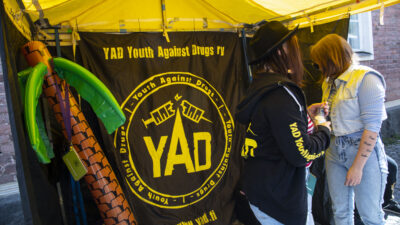
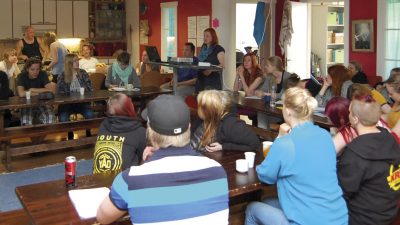
YAD is a Finnish non-profit organisation that started out in 1988 as a small civil movement of young people aiming to influence and prevent the drug abuse. From the very beginning young volunteers has been the base of the organisation. YAD practises peer group work by the means of education, showing examples of drug free lifestyle, providing reliable information and simply being around and interacting with young people in different places. YAD is also about helping out those wanting to quit taking drugs and nowadays more and more involved with projects of developing relevant and up-to-date means to do the drug prevention work with different target groups and environments. YAD has some 575 members and a staff of 15 workers.
Although YAD is ”against drugs” it still respects and understands different points of views within the drug debate. The way of thinking can`t be black and white. YAD isn`t about judging anyone but simply offering one perspective or choice to the issue and many alternative activities to participate.
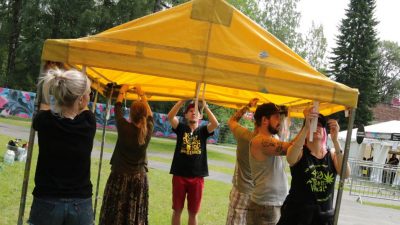
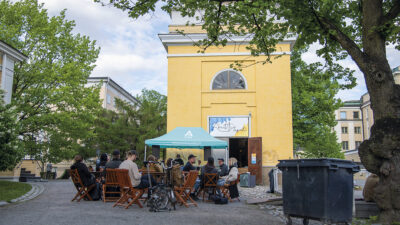
What makes YAD different from the other civil organisations in Finland is that YAD is the one with young volunteers and YAD is available in places and events of young peoples spare time like rock -festivals, rave/techno -parties, youth centres and so on. YAD also gives the subjectivity for young people or recovering addicts themselves, so that instead of being objects they are the active subjects of different activities.
Information
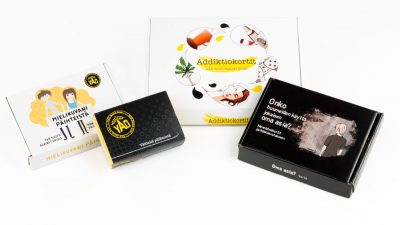
YAD is providing information on drugs so that people can make their choices with awareness of probable risks. In drug education YAD´s goal is to make people think the drug and alcohol issues from many different perspectives in order to see the big picture involved. YAD also encourages people to consider the choices that they make and helps them to see the typical underlying reasons and consequences of drug or alcohol (ab)use. YAD uses interactive practises to raise conversation. The idea is to empower people to find some healthy alternatives for problem solving as well as for needs of feeling pleasure, excitement or having experiences. YAD has different approaches for different target groups depending whether it is about general prevention or risk group prevention. YAD also publishes some material on drug prevention and drug information, books, booklets and flyers.
Support
Secondly YAD wants to help those who are already experiencing the downsides of their drug abuse and want to quit or who are returning from treatment and need support systems to stay clean. Participating the organizations activities gives the ex-addicts a chance to turn their experience to strength and also enables one to find new drug free social contacts and friends. This is called communal support. In some cities YAD has specific support groups for the recovering young addicts and also individual support practised by educated volunteers.
Besides supporting those recovering, YAD has a model of small group work for children 9-13 years old, suffering difficulties in social interaction and perhaps in schoolwork as well. The idea is to empower the children with skills that help them to cope with social situations and provide them a better self -confidence in order to prevent drug or other problems later on by lowering their risk levels.
Alternatives
Third basic idea is to provide alternatives to drug and alcohol use. These alternatives include alcohol and drug free events like rock -concerts, raves, camps, sports... what ever can give positive experiences or help one to stay sober over weekends or holidays when its easy to
relapse. Participating or organizing these activities can lead to learning new skills and
improve one`s self- image. Most of the activities are aimed for teenagers or young adults.
The role of civil organisations in Finland is well recognized since they provide many important services in social sector. Sometimes the services are complimentary, sometimes organisations are the only service providers in certain field. The expert knowledge of organisations often rises from field they are working, which means that there is a lot of practise and first hand experienced based knowledge available. The level of ”professionalism” among the organisations varies a lot depending on for example how much volunteer work is involved or are the activities and services wholly run by educated professional staff. Usually the volunteer work is guided and lead by trained personnel. The strength of especially small organisations is that they are flexible and ready to face new challenges and initiate new working methods in short period of time. The bureaucracy and hierarchy in field of public services make them slow and rigid when it comes to changing the course in ideology or patterns. Civil organisations are often easier to approach, the workers and volunteers are very devoted to their work and the used methods are seen more human than those practised in authorities. The problem with organisations on the other hand is that there are so many different kinds of them, with different background ideologies and working methods so it can be confusing for a school for example to decide which people they should give permission to come to school to give drug education for their pupils. However the status of civil and other organisations is strong in Finland when it comes to drug prevention or treatment.
What seems to be important in any country is for the government and authorities to realise that services and activities of both civil organisations and public sector are needed and that they can be considered complimentary to one another. Civil organisations are enabling the people to participate and influence on issues that they see meaningful or feel close to. By volunteering or participating activities usually makes people more connected to the society and helps experiencing one`s life more meaningful. Civil organisations are providing people these opportunities to make a difference and show care for others and express other acts of humanity.
Co-operation with government and public authorities
The level and the ways co-operation between organisations and authorities vary a lot from place to another. At some places there are long traditions of working together and some places are just starting out. For YAD it is quite easy to participate different networks and strategy groups since work it does is more and more known and valued. The workers and volunteers in YAD on the other hand are sometimes quite strict when it comes to co-operation, meaning that some terms and principles are so important that if they are in conflict with YAD`s idea of good, quality drug prevention the people of YAD don´t want to be involved in such actions. Nowadays you hear mostly appreciating comments of YAD´s work and ideology but still there is always some opposite opinions. There might be problems sometimes with young volunteers participating in networks of authorities, because they are not always being taking as seriously as they should. Otherwise there are not a lot of problems. YAD is actually being more and more wanted to attend different groups and networks locally and nationwide, which is a prove to us that we do something right.
What still needs to developed is to clarify the roles within the field of organisations and also between organisations and public services. There should be more informing of what kind of work and what kind of services each participant provides and is there some gaps to be filled or is there some activities that are performed by too many participants. Gathering and spreading information is important.
In Finland organisations working with drug and alcohol issues have this central alliance or forum provided by The Finnish centre of health promotion. The forum deals with prevailing questions on drug and alcohol politics and makes statements for the government and for networks and authorities of EU as well. The forum is one important way to influence on certain themes and questions collectively. In the meetings of the forum there is often members representing the public services as well.